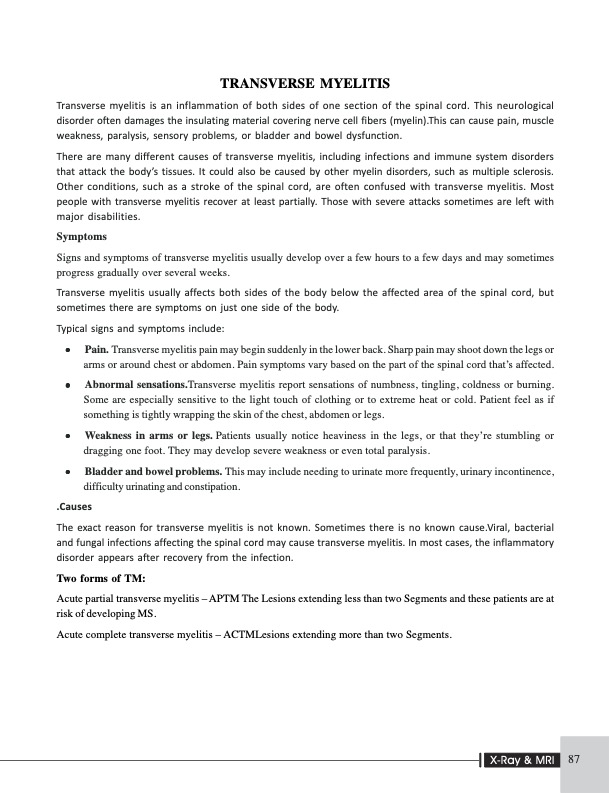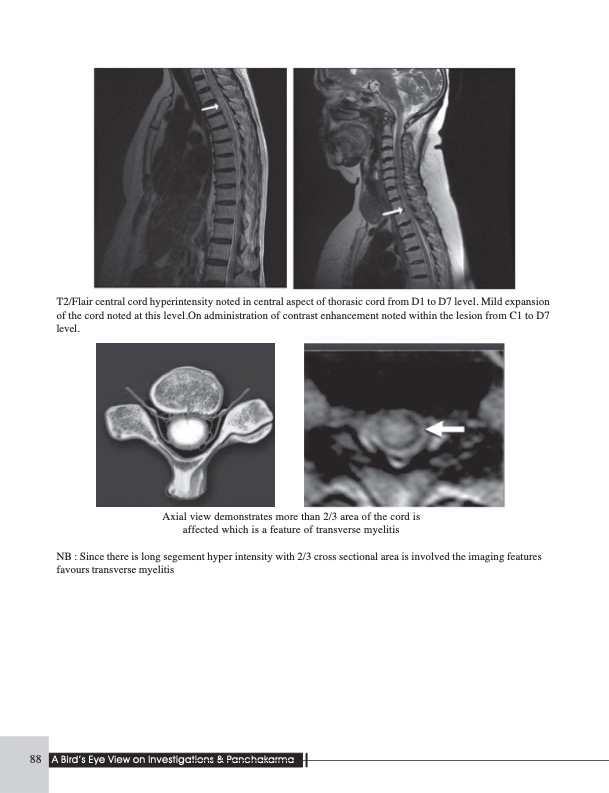
Transverse Myelitis & Guillain-Barré Syndrome Management
Comprehensive Neurological Rehabilitation at Kalarickal Ayurveda Hospital

Comprehensive Management of Transverse Myelitis and Guillain-Barré Syndrome at Kalarickal Ayurveda Hospital:
At Kalarickal Ayurveda Hospital, we offer a holistic approach to managing neurological conditions like Transverse Myelitis and Guillain-Barré Syndrome (GBS). Our treatment protocol integrates Ayurvedic therapies, yoga, and physiotherapy to facilitate neural plasticity, enhance rehabilitation, and provide comprehensive care for patients recovering from these conditions.
After Immunoglobulins and Steroids: Following the initial management at allopathic hospitals, including immunoglobulins and steroids, patients are transitioned to Kalarickal Ayurveda Hospital for further rehabilitation.
2.Ayurvedic Rehabilitation Therapies:
Udvarthana (Powder Massage)
Specialized powder massages are administered to stimulate nerve endings, improve circulation, and reduce stiffness, promoting neural plasticity.
Oil Massage (Abhyanga)
Full-body oil massages contribute to muscle relaxation, improve joint mobility, and support overall well-being.
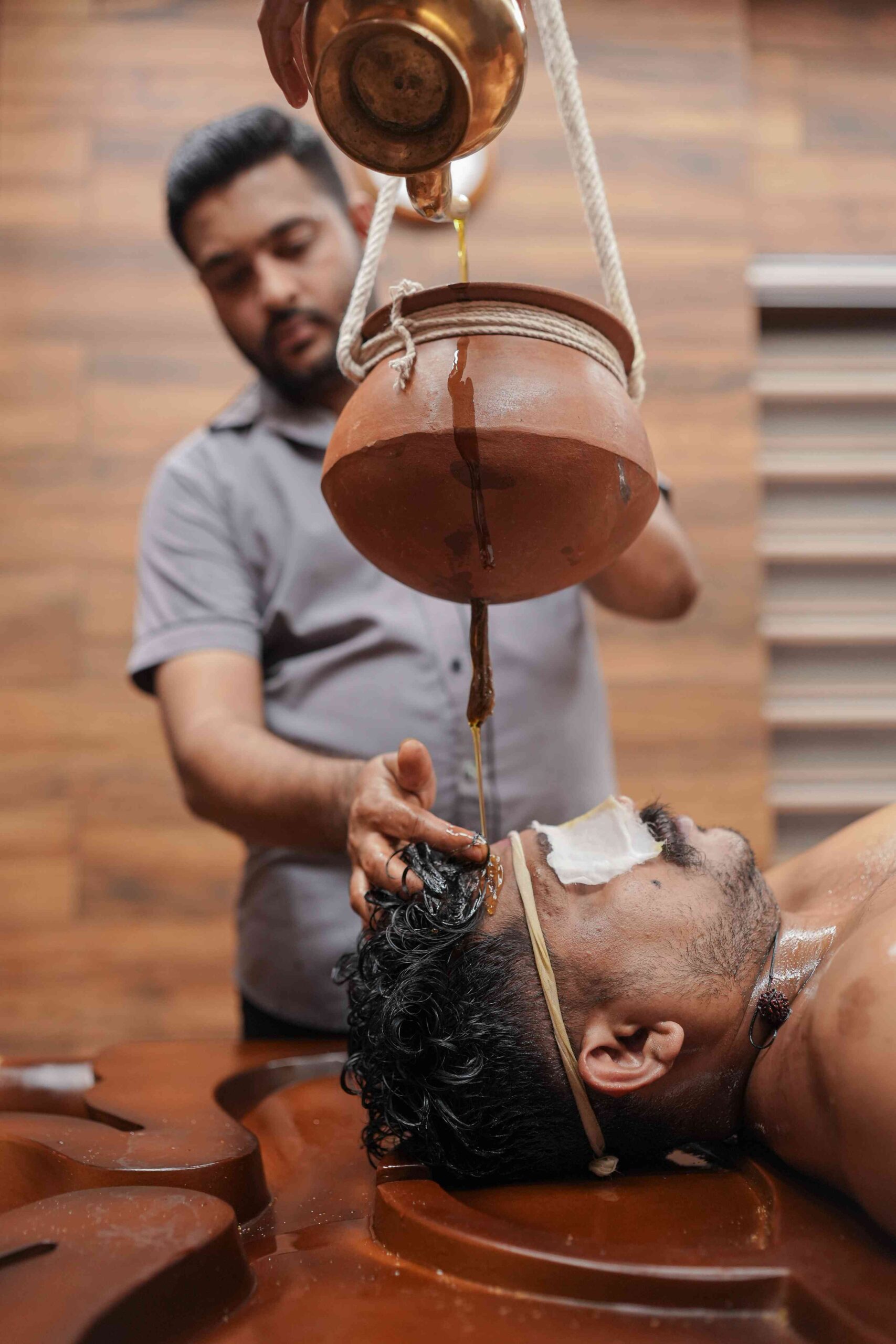
Pizhichil
This unique therapy involves the synchronized pouring of warm medicated oil over the body while simultaneously massaging. It provides nourishment to the nervous system and aids in relaxation.
Bastis (Enemas)
Medicated oil and decoction enemas are administered to support the overall health of the nervous system.

3.Yoga and Physiotherapy:
Yoga Practices: Customized yoga sessions focus on gentle movements, breathing exercises, and meditation to enhance overall well-being and support neural recovery.
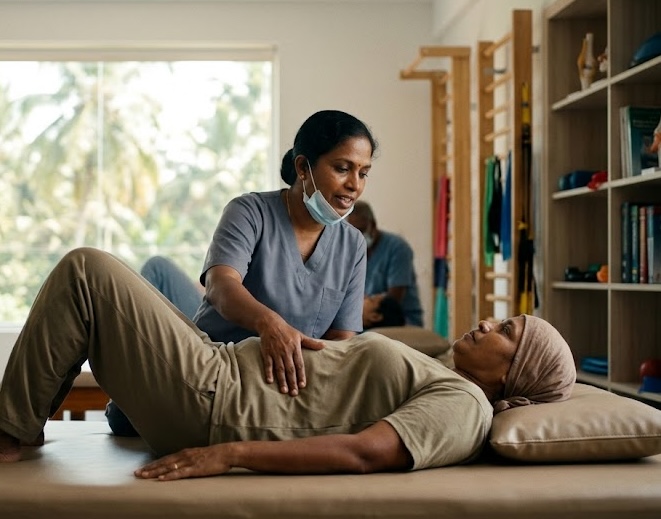
Physiotherapy: Tailored physiotherapy sessions aim at improving muscle strength, coordination, and mobility, supporting the rehabilitation process.
4.Spincture Training:
Strengthening and Coordination: Specialized training is provided to strengthen and coordinate sphincters, addressing challenges related to bowel and bladder control.
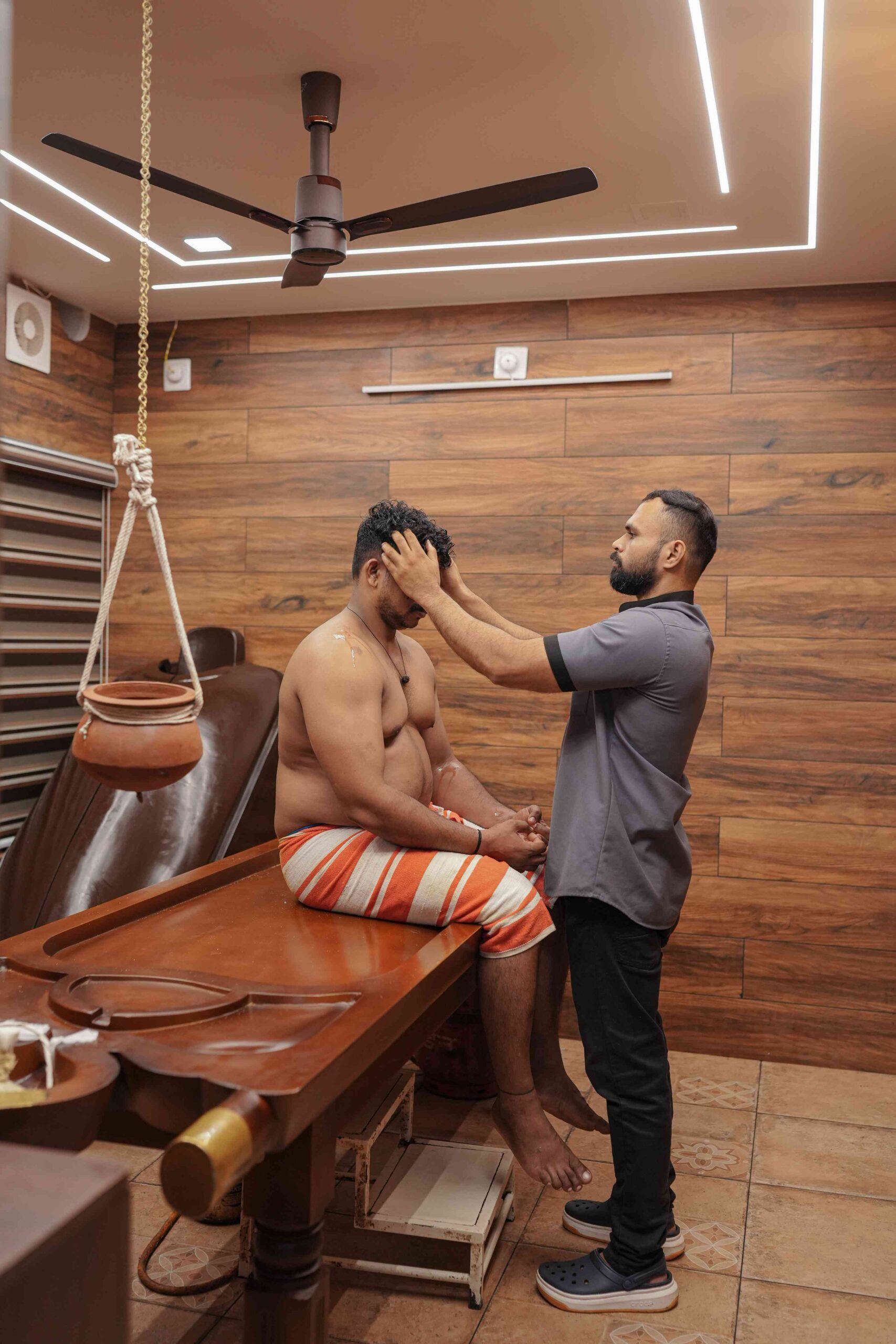
5.Individualized Treatment Plans:
Tailored Approaches: Treatment plans are individualized based on the unique needs, symptoms, and recovery progress of each patient, ensuring a personalized and effective approach.
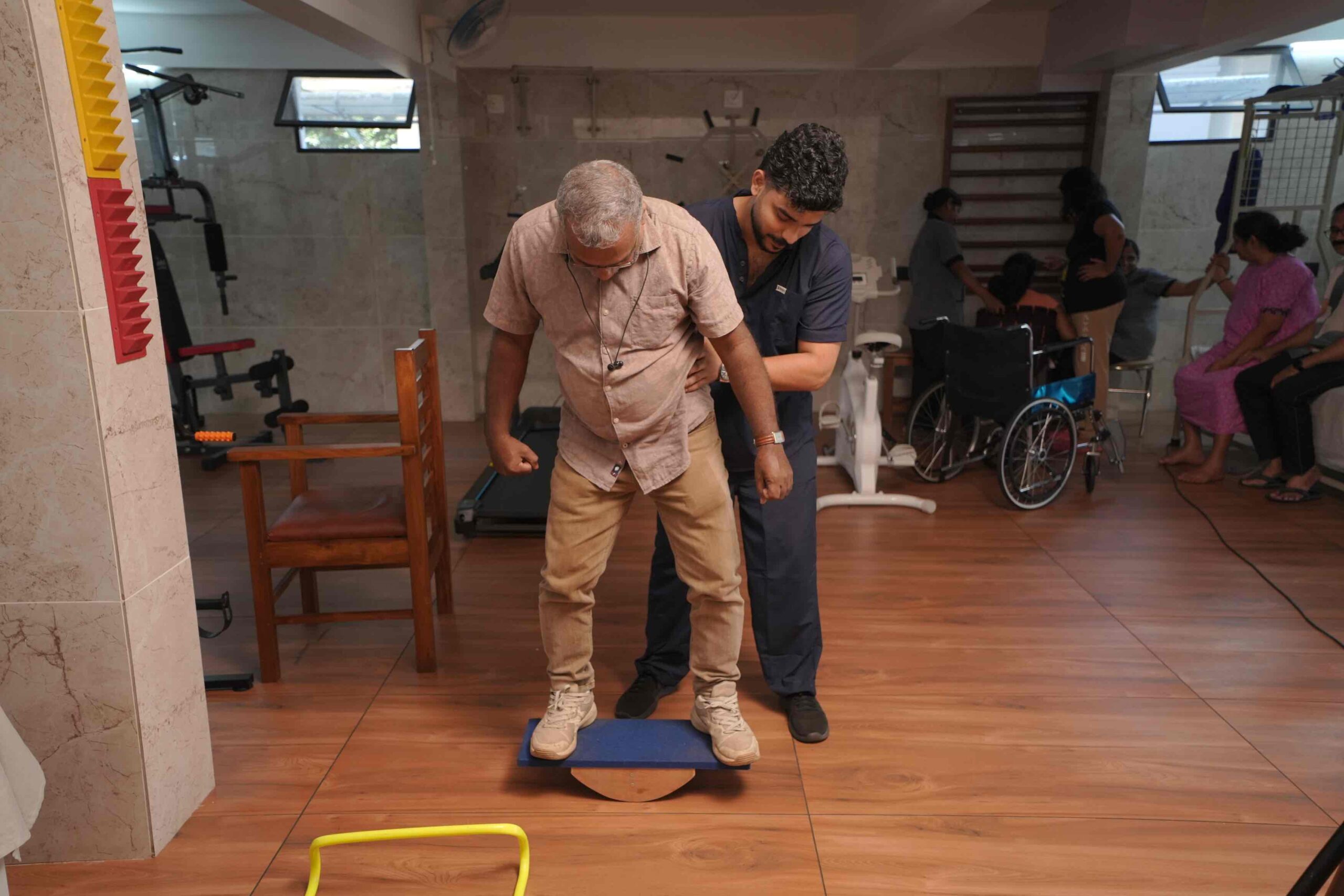
6.Immediate Intervention:
Miraculous Results: Early intervention immediately after the acute attack can yield remarkable results, as the nervous system is more receptive to therapeutic interventions.
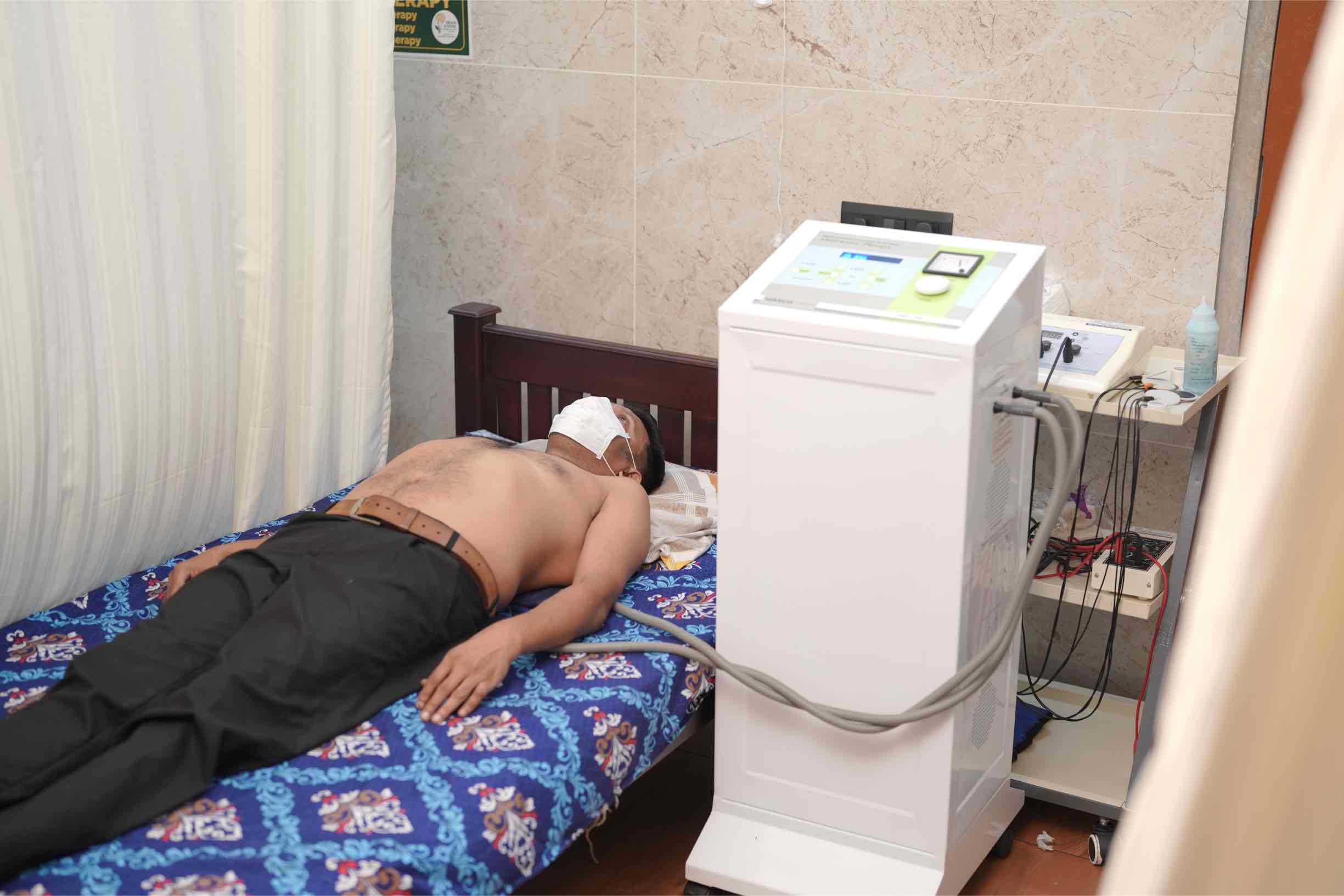
7.Continuous Monitoring and Adjustments:
Regular Assessments: Patients are continuously monitored, and treatment plans are adjusted based on their progress and evolving needs.