
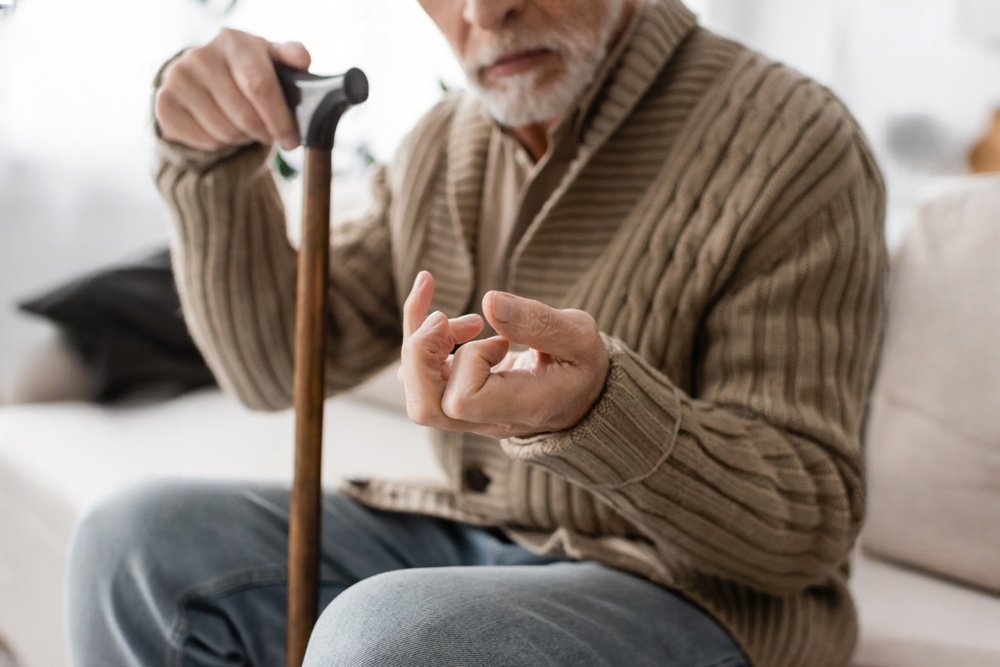
Comprehensive Ayurvedic Management for Parkinson's Disease
Holistic Parkinson's rehabilitation through Ayurveda, Panchakarma, Yoga, and Physiotherapy at Kalarickal Ayurveda Hospital.
At Kalarickal Ayurveda Hospital, our holistic approach to managing Parkinson's disease focuses on combining internal medicines, Ayurvedic Panchakarma treatments, and therapeutic techniques. The goal is to enhance the quality of life for individuals with Parkinson's by addressing symptoms such as stiffness, rigidity, tremors, and bradykinesia (slowness of movements).

1. Internal Medicines
Natural Levodopa Supplementation:
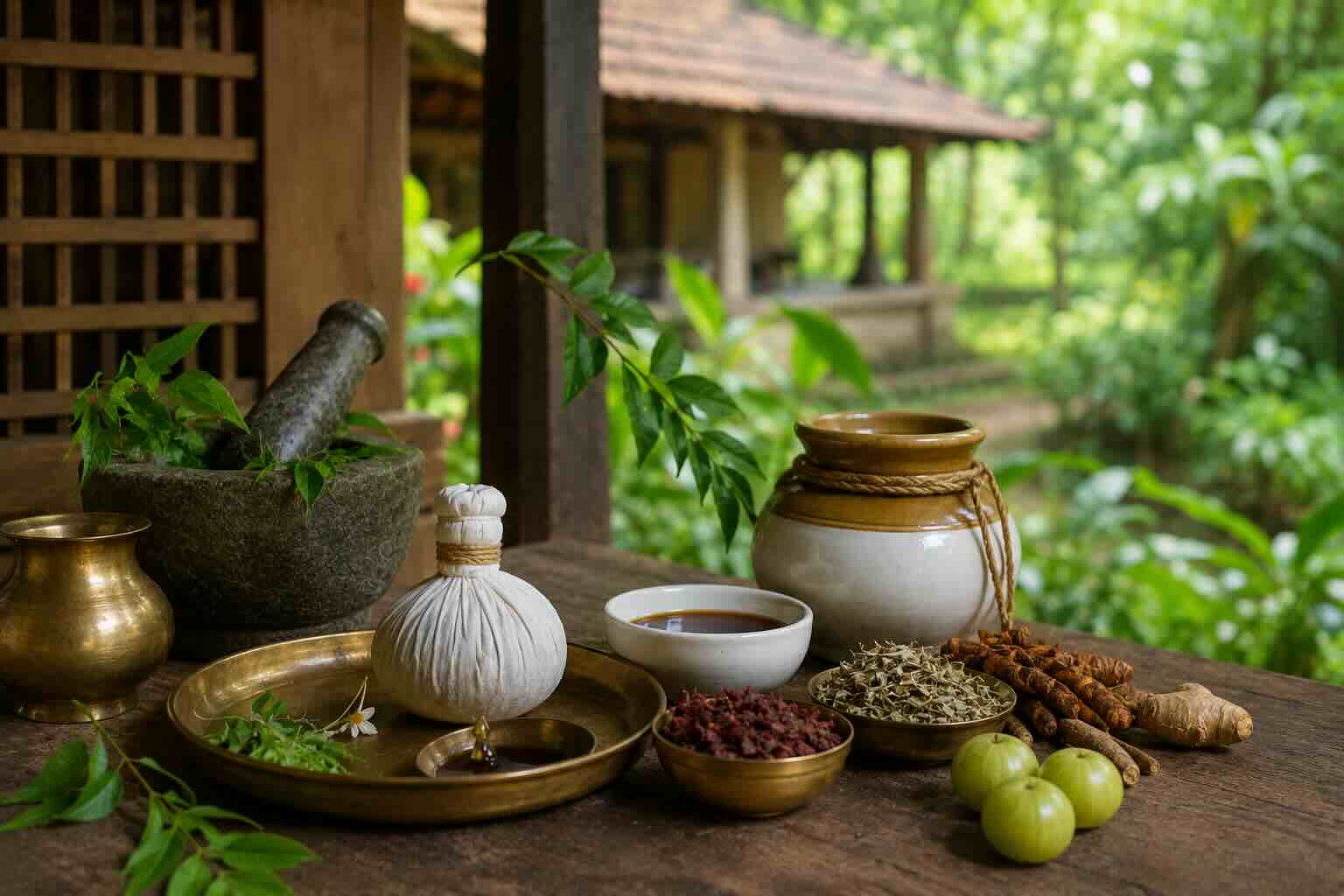
Herbal preparations, including ingredients like Kapikachu, are used to provide a natural form of levodopa. This helps in managing the symptoms associated with Parkinson's disease and improving overall motor function.
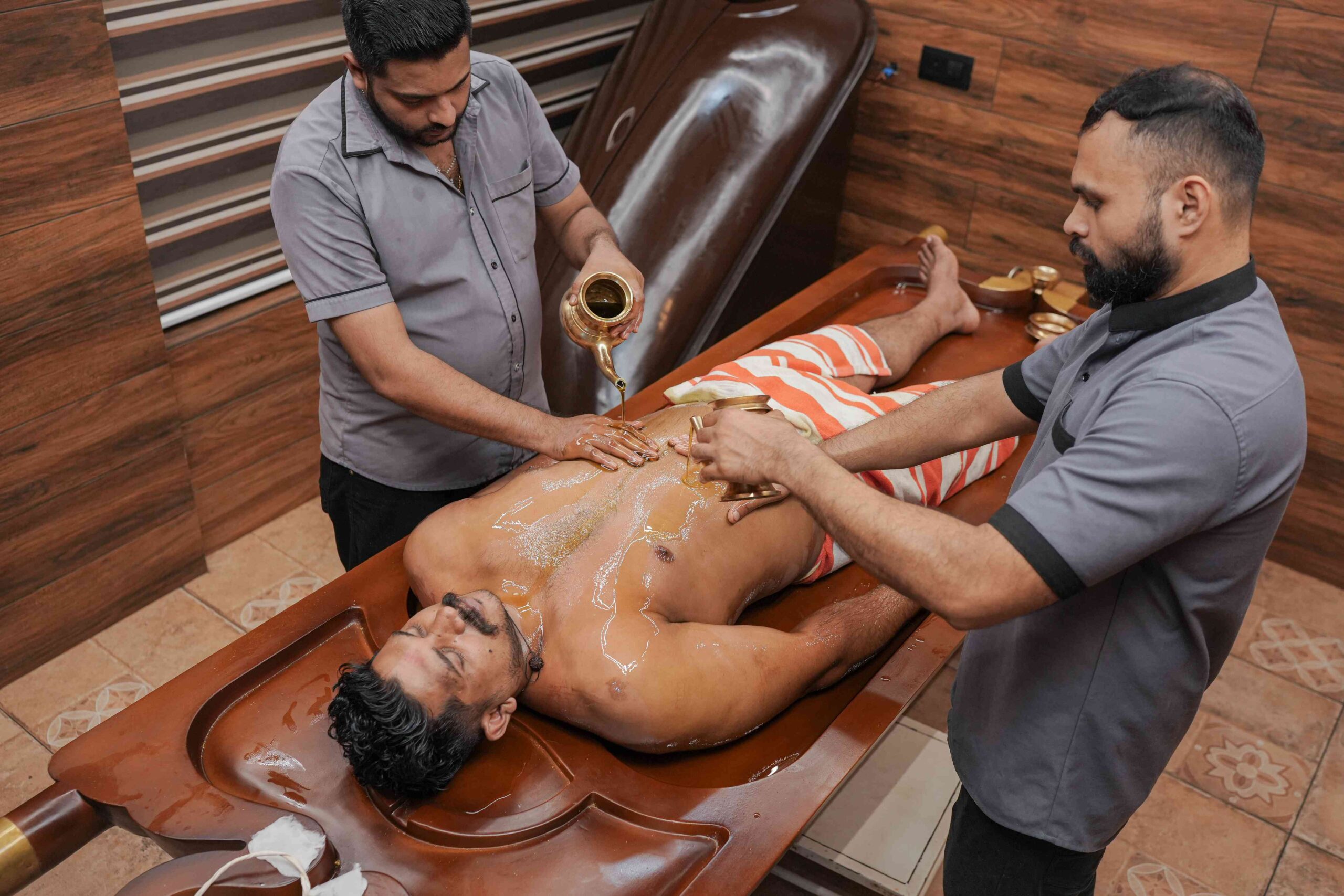
2. Ayurvedic Panchakarma Treatments
Udvarthana (Medicated Powder Massage):
Udvarthana, a specialized medicated powder massage, is employed to reduce stiffness and enhance flexibility.
The therapeutic properties of the herbal powders help in alleviating symptoms associated with rigidity.
Oil Massages:
Ayurvedic oil massages are administered to improve circulation, reduce muscle tension, and promote relaxation. Different oils told in Ayurveda for Kampa vata(Tremor disorders) and techniques are chosen based on individual needs.
Kizhis (Poultices):
Specific poultices, known as Kizhis, are prepared with medicated herbs and applied to targeted areas. This helps in reducing stiffness and addressing muscle-related symptoms.
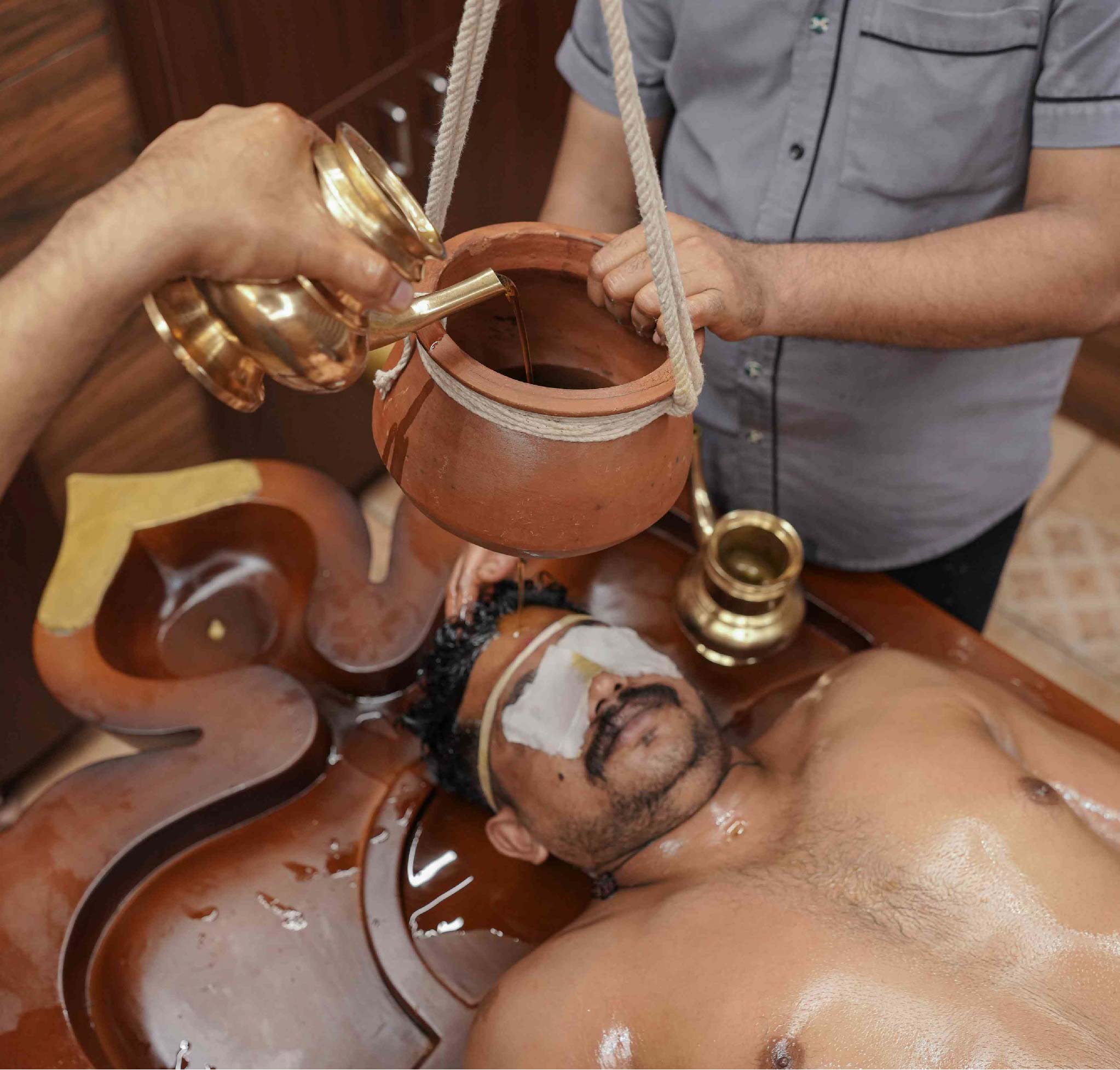
Siro Dhara -Nervous System Calming:
The rhythmic pouring of warm medicated oil onto the forehead is thought to have a soothing effect on the nervous system, promoting relaxation and reducing stress.
Enhancing Mental Clarity:
Sirodhara is believed to enhance mental clarity and focus, which can be beneficial for individuals experiencing cognitive challenges associated with Parkinson's disease.
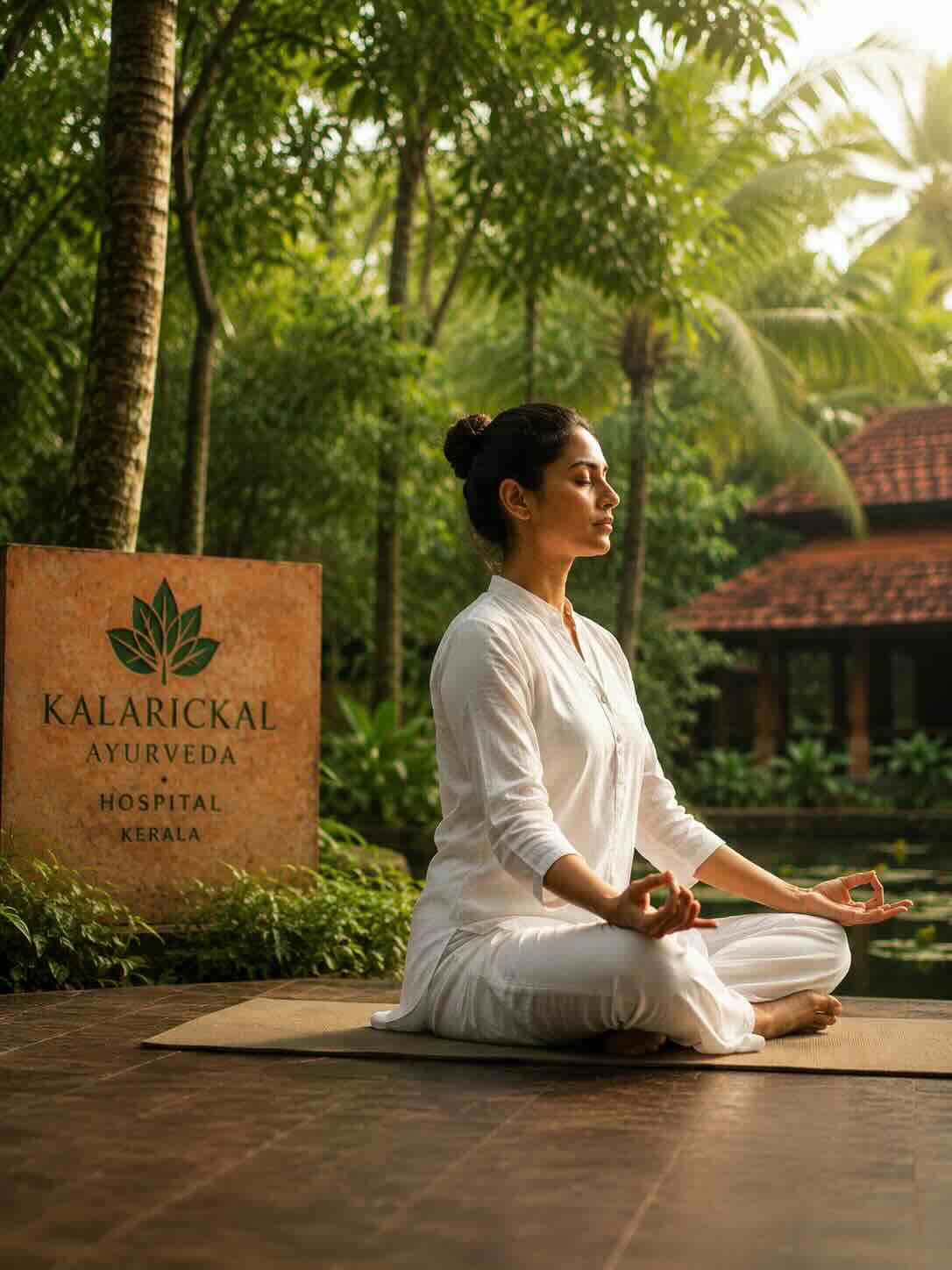
Yoga for Parkinson's
Mind-Body Connection:
Yoga, with its emphasis on the mind-body connection, serves as a complementary therapy for individuals with Parkinson's. Mindful movements and breath work are integrated to promote relaxation and mental focus.
Improving Flexibility and Balance:
Specific yoga postures and stretches help improve flexibility and balance, addressing common challenges associated with Parkinson's disease.
Stress Reduction:
Mindfulness and meditation techniques within yoga practices contribute to stress reduction, promoting emotional well-being.
Adapted Practices:
Yoga sessions are tailored to accommodate the unique needs and abilities of individuals with Parkinson's, ensuring safety and effectiveness.
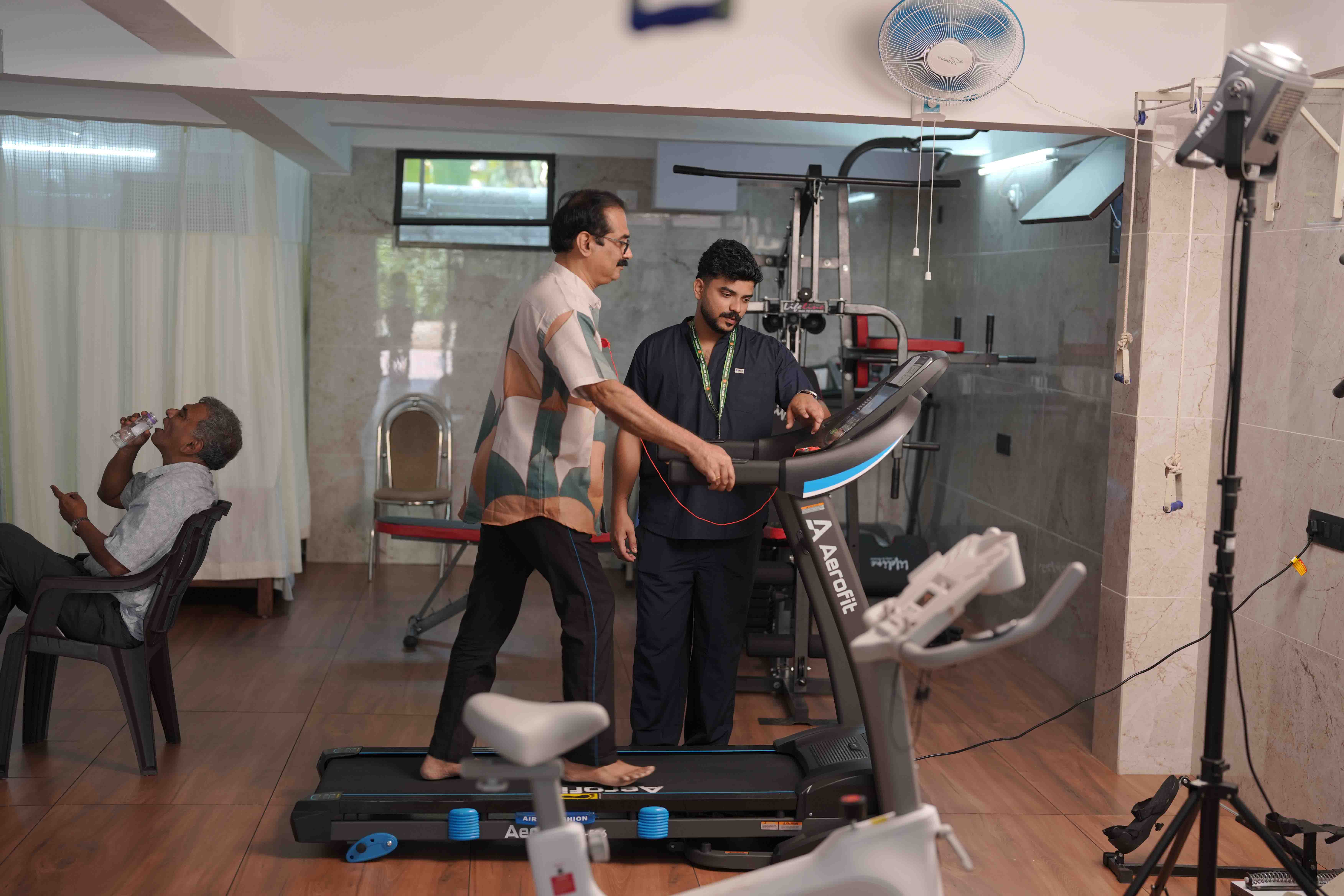
2. Physiotherapy for Parkinson's
Targeted Exercise Programs:
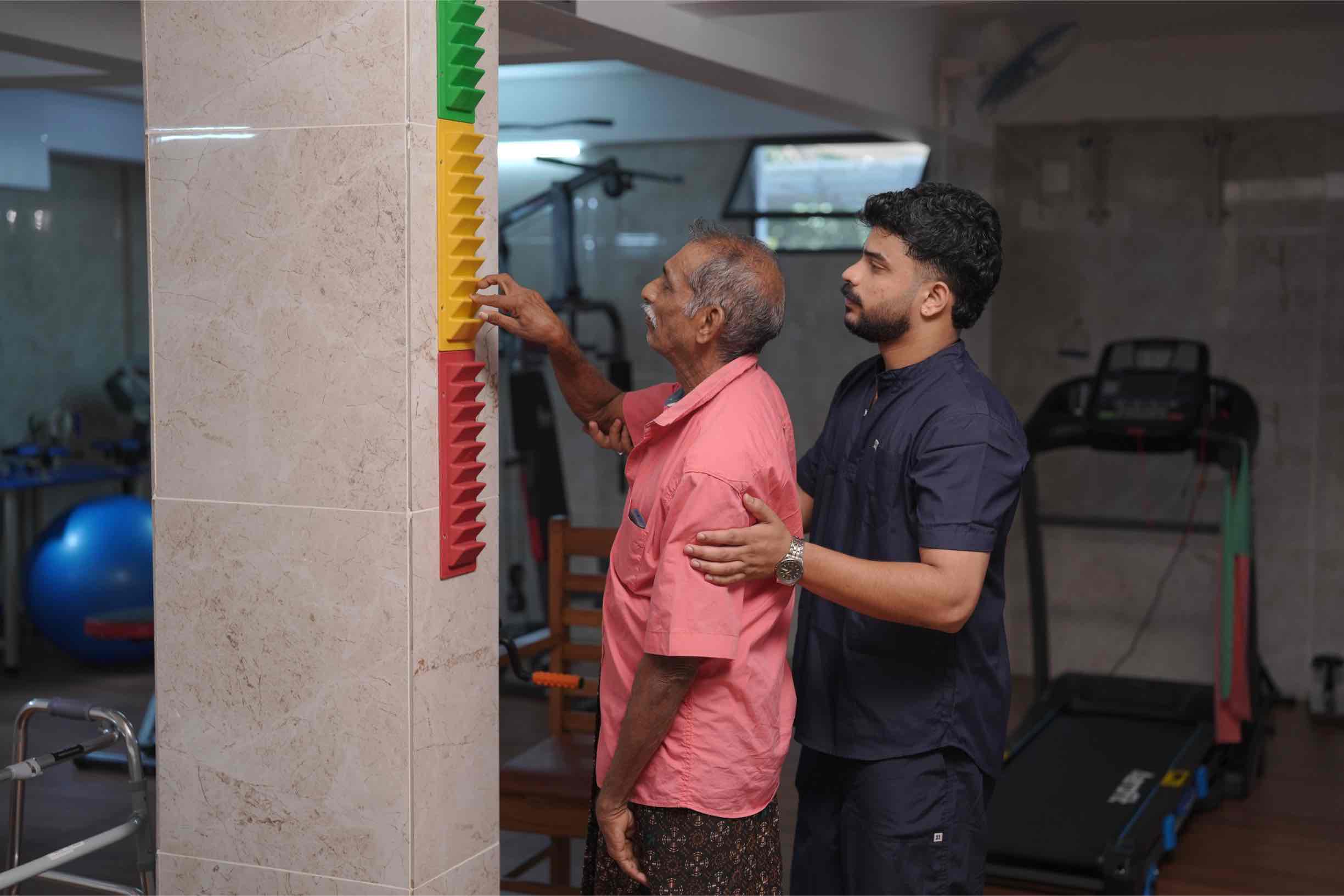
Physiotherapy plays a crucial role in managing Parkinson's symptoms. Tailored exercise programs focus on enhancing muscle strength, coordination, and mobility.
Gait and Balance Training:
Physiotherapists work on gait training to improve walking patterns and reduce the risk of falls. Balance exercises contribute to overall stability.
Functional Movement Training:
Exercises mimic everyday activities, promoting functional movements and independence in daily life.
Bradykinesia Management:
Specific physiotherapy techniques are employed to address bradykinesia, helping individuals overcome slowness of movement.
3. Disease Modification and Progression
Our treatments aim at delaying the progression of Parkinson's disease and modifying its course to some extent. This involves a comprehensive approach to manage both motor and non-motor symptoms.
4. Personalized Treatment Plans
Individualized treatment plans are crafted based on the unique constitution, symptoms, and needs of each patient. This ensures that the therapies administered are tailored to address specific concerns.
5. Lifestyle and Dietary Guidance
Ayurvedic principles guide dietary recommendations and lifestyle modifications to support overall well-being. This includes specific dietary guidelines that complement the treatment approach.
6. Continuous Monitoring and Follow-ups
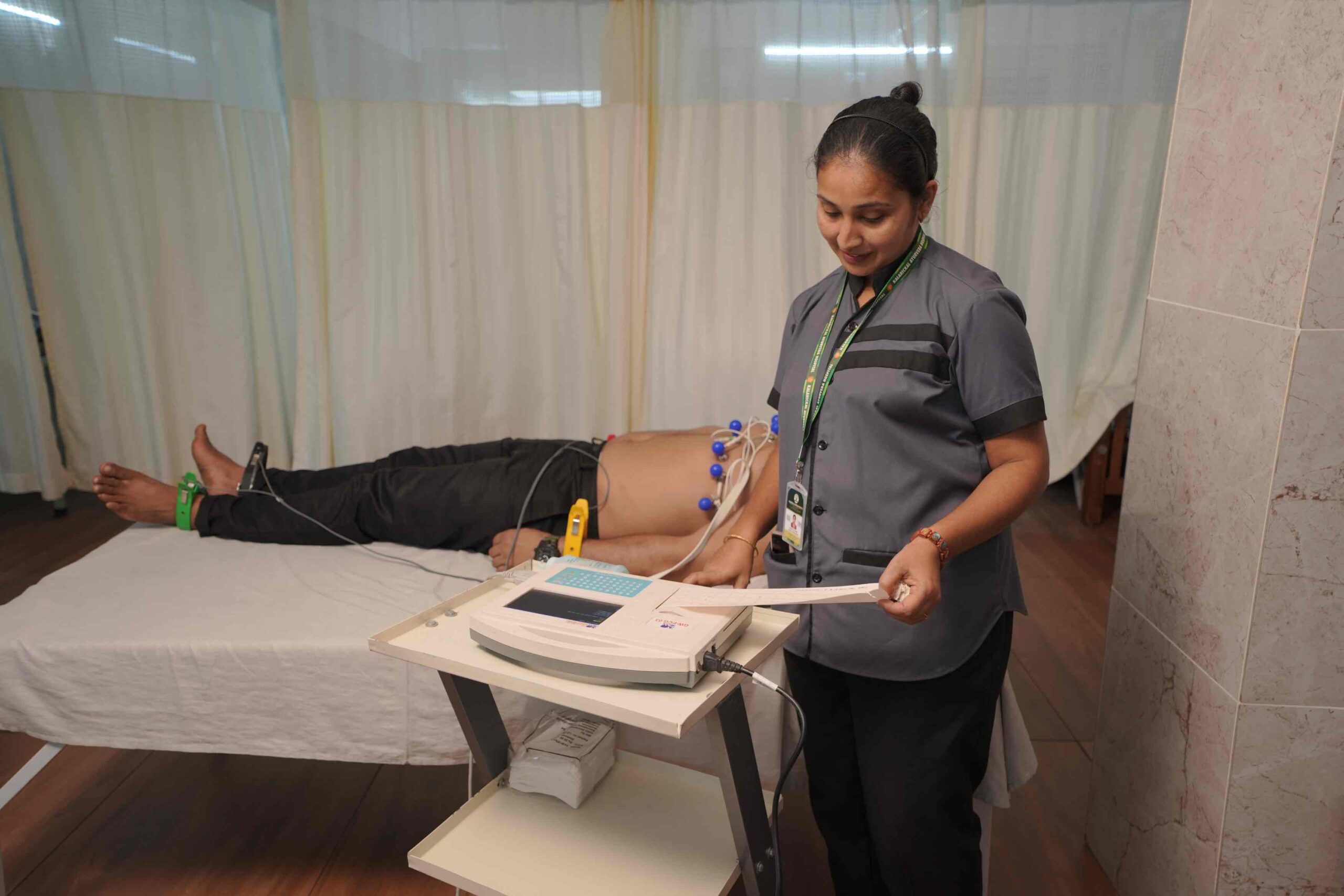
Regular follow-ups and continuous monitoring of the patient's progress allow for adjustments to the treatment plan as needed. This ensures that the approach remains dynamic and responsive to the individual's changing health status.
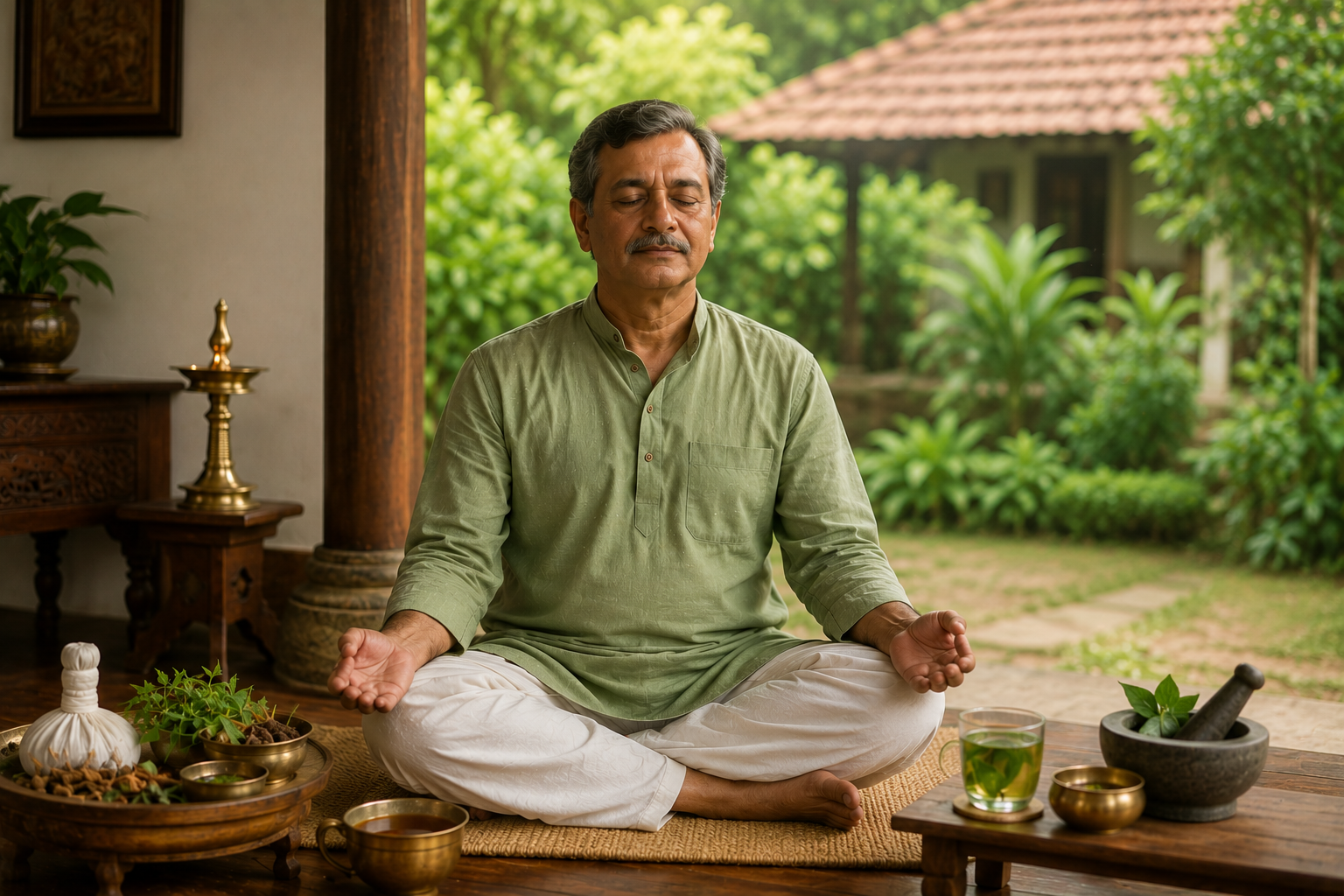
7. Holistic Well-being
Our approach encompasses not only the management of physical symptoms but also focuses on the emotional and mental well-being of individuals with Parkinson's disease. Supportive therapies aim to enhance the overall quality of life.
Integrated Approach: Yoga and Physiotherapy in Parkinson's plus Management
At Kalarickal Ayurveda Hospital, our commitment to holistic well-being extends to an integrated approach that combines the benefits of Ayurveda yoga and physiotherapy for individuals managing Parkinson's disease. This synergy aims to address the physical, mental, and emotional aspects of the condition, enhancing overall quality of life.
Combined Benefits
The integrated approach of Ayurveda, Yoga, and Physiotherapy at Kalarickal Ayurveda Hospital supports physical mobility, emotional wellness, and overall quality of life for individuals managing Parkinson's disease.
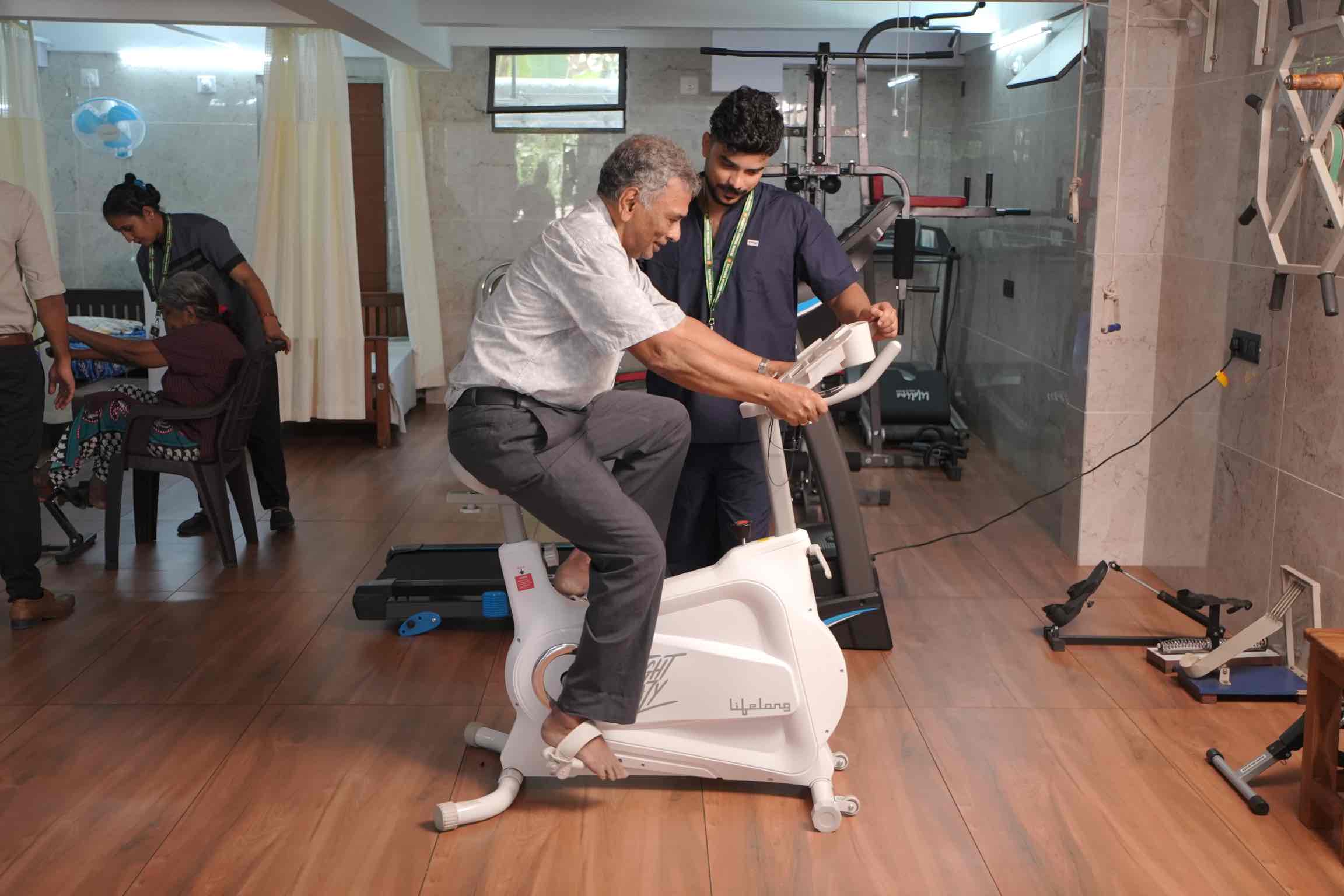
Enhanced Motor Function
The combined approach of Ayurveda yoga and physiotherapy enhances motor function, contributing to improved mobility and a more fluid range of movements.
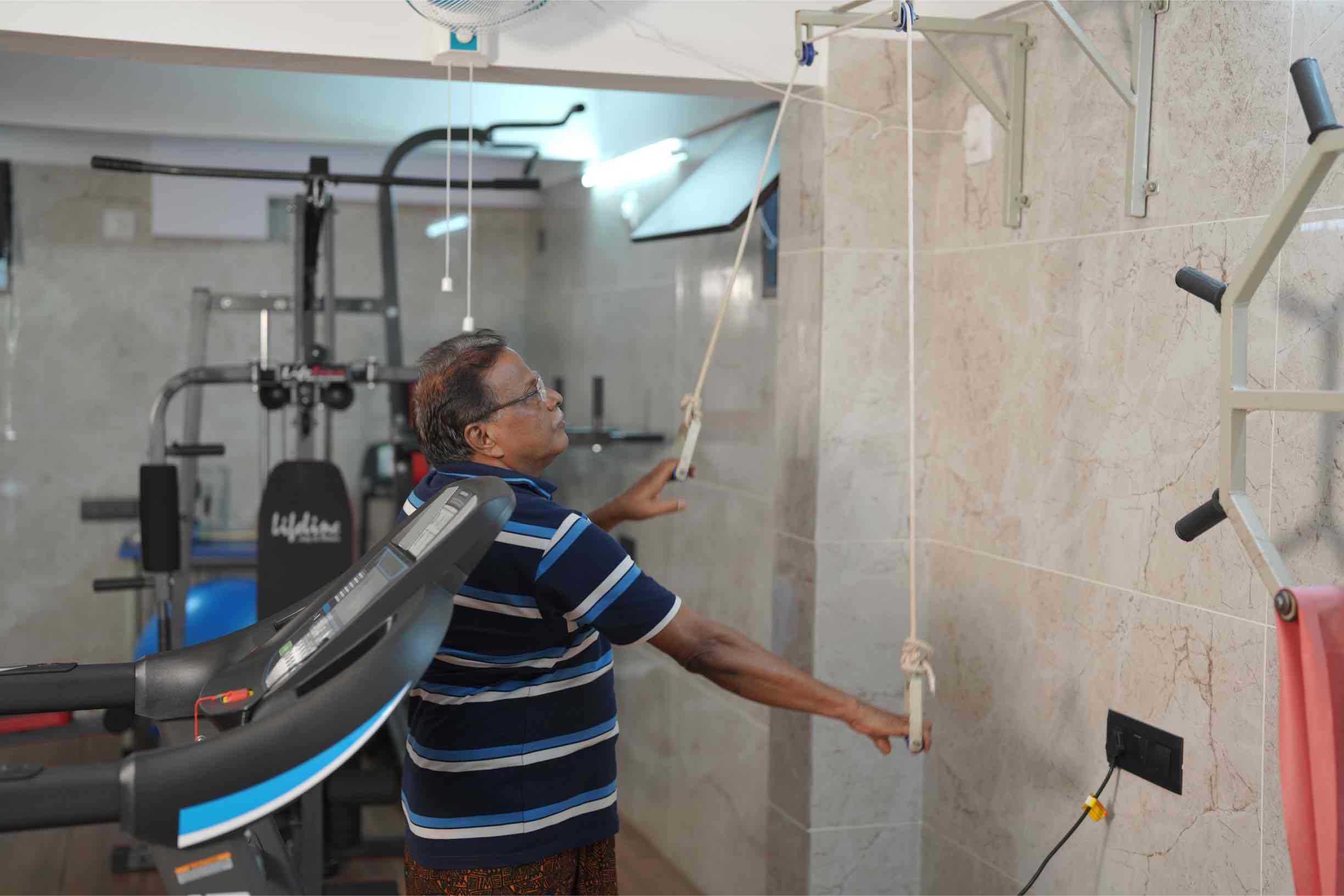
Emotional Well-being
Both yoga and physiotherapy contribute to emotional well-being by reducing stress, improving mood, and fostering a positive outlook.
Comprehensive Care
Integrating these therapies ensures a comprehensive care plan that addresses various dimensions of Parkinson's disease, from physical symptoms to emotional and mental well-being.
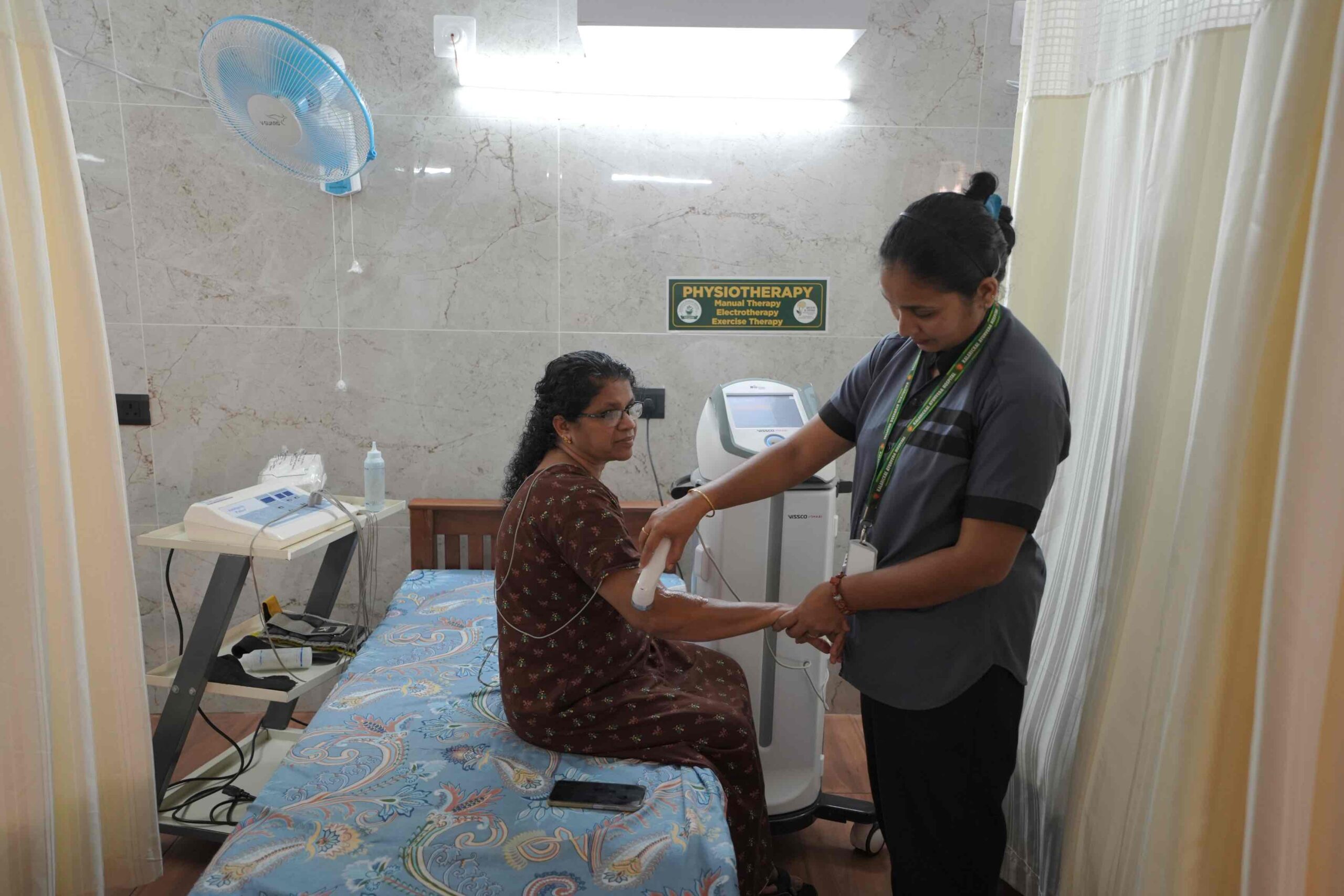
4. Individualized Sessions
Personalized Plans:
Each individual receives personalized yoga and physiotherapy sessions, adapted to their specific needs and capabilities.
Regular Assessments:
Progress is continuously monitored, and adjustments are made to the integrated plan to ensure it aligns with the individual's evolving health status.
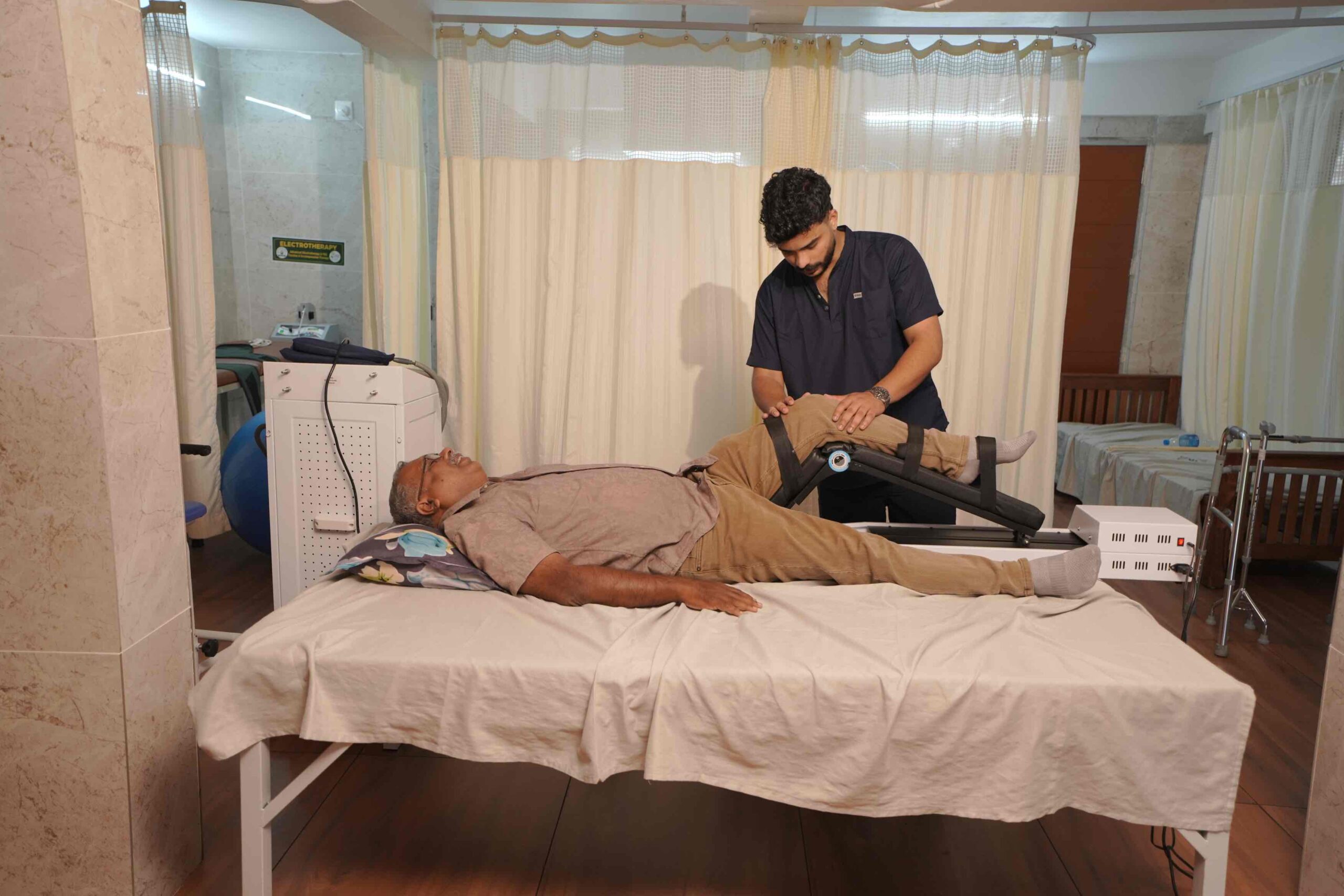
5. Empowering Independence
Encouraging Self-Care:
Individuals are educated on exercises and yoga practices that can be continued at home, empowering them to actively participate in their well-being.
At Kalarickal Ayurveda Hospital, our integrated approach brings together the therapeutic benefits of Ayurveda yoga and physiotherapy, providing a well-rounded care plan for individuals managing Parkinson's disease. This approach is designed to promote functional independence, enhance overall quality of life, and foster a sense of empowerment in those on their journey with Parkinson's.